

Description
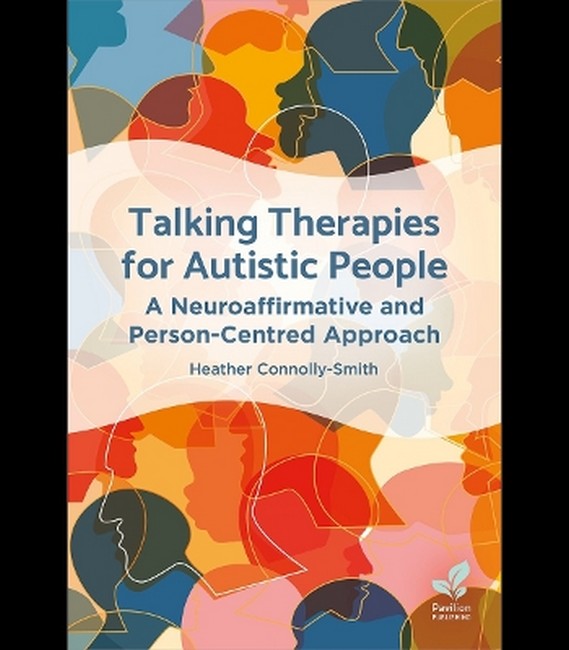
Foreword by Cathy Wassell CEO and Founder, Autistic Girls Network Preface Introduction Part 1: Theory, History and Understanding Autism in The Present Day 1. A Neuroaffirmative Understanding of Autism 2. Three Key Areas of Difference in The Autistic Brain Part 2: Presenting Concerns in The Therapy Room 3. Accessibility Starts Before the First Session 4. A First Session 5. Autistic Burnout 6. Autistic Inertia, Anxiety and Avoidance 7. Shame, Self-Criticism and Safety in an Unpredictable World 8. Reviews and Endings Part 3: The Future of a Neuroaffirmative Approach 9. Neuroaffirmative Therapy as Social Justice References
HEATHER CONNOLLY-SMITH is a therapist, person-centred counsellor and mental health professional based in Norwich. She has over a decade of experience working across clinical and supportive settings. Her lived experience as an autistic person deeply informs her neuroaffirmative, person-centred and trauma-informed approach. Heather writes and works with a commitment to challenging structural ableism, reducing harm in therapy and helping autistic clients to feel understood, respected and supported. She is a specialist mentor for university students who are neurodiverse or have mental health difficulties. She is passionate about social justice and accessibility, and she hopes to inspire others to create therapeutic spaces where autistic people can thrive.