
Keith G. Rasmussen, M.D., is Professor, Department of Psychiatry and Psychology, at the
Mayo Clinic, Rochester, Minnesota.
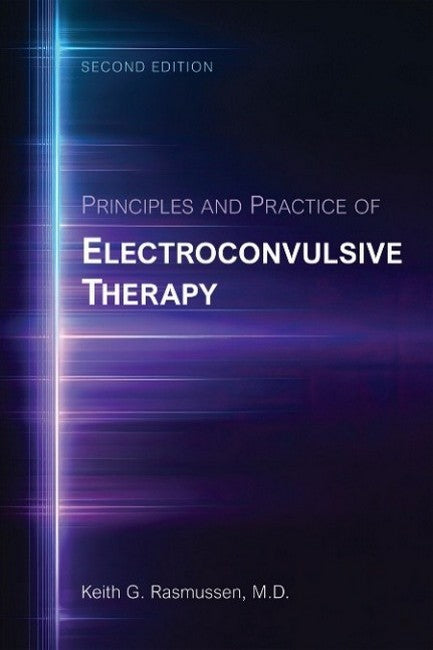

Description
Principles and Practice of Electroconvulsive Therapy, Second Edition is a comprehensive, clinically focused guide to one of psychiatrys most effective treatments for severe mental illness. Updated throughout to reflect the growing body of literature since the first edition, this practical volume gives mental health professionals clear, evidence-informed guidance for delivering electroconvulsive therapy (ECT) safely and effectively.
Drawing on the latest information, the guide presents a step-by-step approach to the clinical administration of ECT, covering the following:
* Patient selection for conditions that include depression, catatonia, and mania
* Patient education, consent, and pretreatment
* Conducting treatment
* Management of patients during treatment
* Posttreatment plans and managing cognitive side effects
This second edition also introduces a new chapter on the neurobiological aspects of ECT, addressing biomarkers of outcome, mechanisms of action, and questions on whether ECT causes brain damage.
Accessible, thorough, and grounded in current evidence, Principles and Practice of Electroconvulsive Therapy is an essential reference for clinicians seeking thoughtful recommendations and a deeper understanding of the role of ECT in modern psychiatric care.
Preface to the Second Edition
Chapter 1. Patient Selection for ECT: Depression
Chapter 2. Patient Selection for ECT: Catatonia, Mania, Schizophrenia, and Other Disorders
Chapter 3. Patient Preparation for ECT: Patient Education, Informed Consent, and the Pre-ECT Medical Workup
Chapter 4. ECT Technique, Part I: Managing the Individual Treatment
Chapter 5. ECT Technique, Part II: Managing the Index Course of Treatments
Chapter 6. ECT Technique, Part III: Preventing Relapse After Index ECT with Continuation/Maintenance ECT and Pharmacotherapy
Chapter 7. Cognitive Effects of ECT
Chapter 8. Neurobiologic Aspects of ECT: Biomarkers, Mechanisms of Action, and Brain Damage